


FOB at a glance
Under FOB, the seller delivers the goods on board the vessel nominated by the buyer at the agreed port of loading. Risk of loss or damage transfers to the buyer at that point.
Shipment
- Named location
- Named port of loading
- Delivery point
- When goods are on board the buyer-nominated vessel at the named port of loading
- Risk transfer
- When goods are on board the vessel at the named port of loading
Responsibilities
- Main carriage
- Buyer arranges and pays
- Export clearance
- Seller
- Import clearance
- Buyer
- Insurance
- FOB does not require either party to contract for cargo insurance.
Contract
- Common comparison
- Compare with FCAVessel loading versus carrier handoff
Illustrative notation: FOB Port of Houston, Texas, Incoterms® 2020. Customize and copy below ->
Responsibility journey
- Delivery point
- When goods are on board the buyer-nominated vessel at the named port of loading
- Risk transfer
- When goods are on board the vessel at the named port of loading
Seller / exporter
- Cost
- Seller
Origin pickup
- Cost
- Seller
Export clearance
- Cost
- Seller
- Export
- Seller
Origin terminal
- Cost
- Seller
On board vessel
- Cost
- Seller
- Handoff
- Delivery + risk transfer
Ocean / waterway
- Cost
- Buyer
Destination terminal
- Cost
- Buyer
Import clearance
- Cost
- Buyer
- Import
- Buyer
Final delivery
- Cost
- Buyer
Buyer / importer
- Cost
- Buyer
Who pays what under FOB?
FOB is limited to sea or inland waterway. The seller completes export clearance and places goods on board; the buyer arranges main carriage and import clearance. The rule does not require either party to buy cargo insurance.
Seller does
- Deliver goods on board the buyer-nominated vessel at the named port of loading
- Complete export clearance
- Provide documents/information the buyer needs to take the goods
Buyer does
- Nominate the vessel and give needed shipping instructions
- Contract and pay for main carriage from the port of loading
- Handle import clearance and on-carriage
- Decide whether to purchase cargo insurance
Not determined by the FOB rule alone
- Cargo insurance contract
- Ownership/title transfer
- Payment terms or remedies for breach
When to use FOB
When FOB fits
- Bulk or break-bulk ocean shipments where delivery on board is operationally realistic
- Lanes where the buyer wants to control the ocean booking
When to use FOB with caution
- Containerized or multimodal cargo handed to a carrier/terminal before vessel loading—compare FCA
- Situations where the named port of loading or vessel nomination process is unclear
FOB shipment example
A U.S. exporter sells steel coils FOB Port of Houston, Texas, Incoterms® 2020. The seller completes export clearance and delivers the coils on board the vessel nominated by the buyer. Risk transfers once the goods are on board in Houston. The buyer’s ocean contract covers the voyage to the destination port, and the buyer handles import clearance on arrival. Port names in this example are illustrative and must be replaced with the parties’ agreed port.
Common mistakes
- Using outdated “ship’s rail” language; under Incoterms® 2020, delivery and risk transfer occur when goods are on board
- Using FOB for container handoffs that occur before goods are on board
- Assuming FOB requires the seller or buyer to buy insurance
How do you write FOB in a contract?
Include the acronym, the exact named location, and the edition.
Contract notation builder
Build an illustrative line with the acronym, named place or port, and Incoterms® 2020. Parties must agree the exact location; this does not create a contract.
FOB Port of Houston, Texas, Incoterms® 2020Edition is fixed to Incoterms® 2020. Catalog example: FOB Port of Houston, Texas, Incoterms® 2020
Does FOB include insurance?
FOB does not require either party to contract for cargo insurance.
FOB compared with related terms
Use these comparisons when the shipment mode, handoff point, or insurance need does not match FOB.
FOB vs. FCA
Vessel loading versus carrier handoff
Use when deciding between traditional port-to-port cargo and containerized or multimodal cargo delivered before vessel loading.
Open FCA details ->FOB vs. FAS
On board versus alongside the vessel
Use when deciding who is responsible for vessel loading.
Open FAS details ->FOB vs. CFR
Buyer versus seller pays main freight
Both transfer risk when goods are on board, but CFR requires the seller to pay carriage to the named destination port.
Open CFR details ->
Frequently asked questions
What does FOB mean in shipping under Incoterms® 2020?
Under FOB Incoterms® 2020, the seller delivers when goods are on board the buyer-nominated vessel at the named port of loading, and risk transfers at that same point.
Who pays freight under FOB?
The buyer arranges and pays for main carriage from the named port of loading under FOB Incoterms® 2020.
Does FOB include insurance?
No. FOB Incoterms® 2020 does not require either party to contract for cargo insurance. Insurance should be agreed separately if needed.
Is FOB appropriate for container shipping?
Often not. When containers are handed to a carrier or terminal before they are on board, FCA Incoterms® 2020 is generally the more relevant term to compare.
How do you write FOB in a contract?
Use a precise named port of loading and the edition, for example: FOB Port of Houston, Texas, Incoterms® 2020. Replace the example port with the parties’ agreed port.
Related Crane services
When research turns into an operational shipment, connect the term to the teams that execute freight, clearance, insurance, and trade advice.
Service
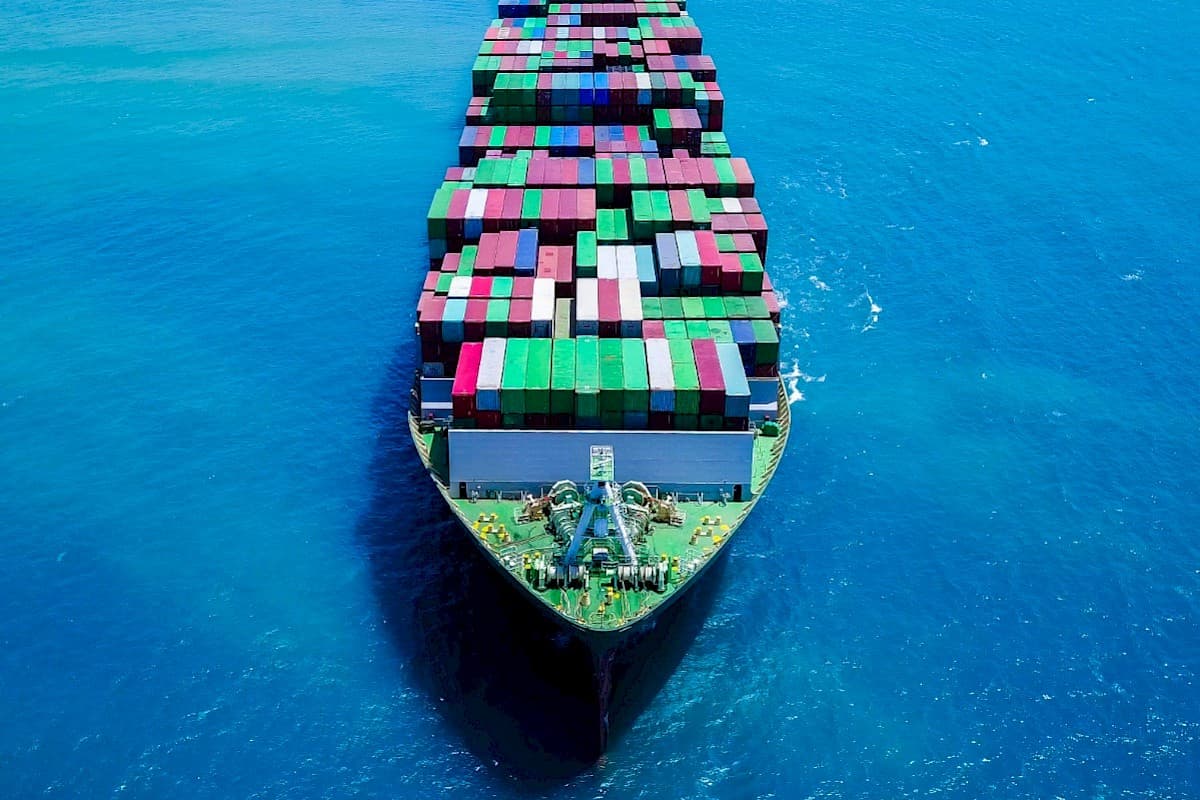
Ocean Freight
Our broad portfolio of ocean freight carriers offers the flexibility of departure dates and decreases transit times for all your ocean shipping needs. Global FCL & LCL shipping services available.
Explore Ocean Freight →
Service
Customs Brokerage
Crane Worldwide Logistics offer certified customs brokerage services throughout the United States. Need a customs broker? Get in touch with a customs agent today!
Explore Customs Brokerage →
Service
Cargo Insurance
What is cargo insurance and why do you need coverage for the transportation of your goods?
Explore Cargo Insurance →
Service
Trade Advisory
Our international trade advisory services program is designed to deliver expert international trade and compliance information when you need it the most.
Explore Trade Advisory →Unsure which shipping term fits your movement?
Talk with a Crane trade or customs specialist about transport mode, handoff points, documentation, and clearance responsibilities. This guidance is educational and is not legal advice; the parties remain responsible for selecting contractual terms.
Stay informed
Get market updates, trade advisories, and industry insights before they impact your operations.
- Market Update
- Industry Insights
- Trade Advisories
Last reviewed July 30, 2026. Edition reference: Incoterms® 2020 (not a new calendar-year edition).